


Alconbury Weald has a rich history that covers hundreds of years of people living, working and enjoying this unique part of Huntingdonshire - from prehistoric through to Bronze Age and Iron Age settlements, to evidence of Roman use along the historic Ermine Street route, a medieval manor and its more recent military past. The research and archaeology undertaken and planned, will ensure the place’s unique past also playsa key role in shaping the future: so that new residents can engage with the history around them.
One such historic asset is a Scheduled Monument that marks the site of a 13 th century manor house within a double moated complex, located at the heart of Prestley Wood – which will form part of the new Prestley country park.
Protecting Prestley Wood heritage
Find out how we are working with Historic England and other partners to ensure the right approach to protect and enhance this important place for future generations to explore and enjoy.
Alongside that, Alconbury Weald’s more recent military history, and particularly its intelligence and reconnaissance role throughout the Second World War and Cold War, is designed into the plans, through the layout of parks and squares, and design around the Listed Buildings which commemorate a dynamic history: from the Watch Office, which was the first military building on site in 1940, to the four Aircraft Shelters and Avionics Building that are bespoke to Alconbury due to its role as the only permanent UK base for the TR-1 spy plane.
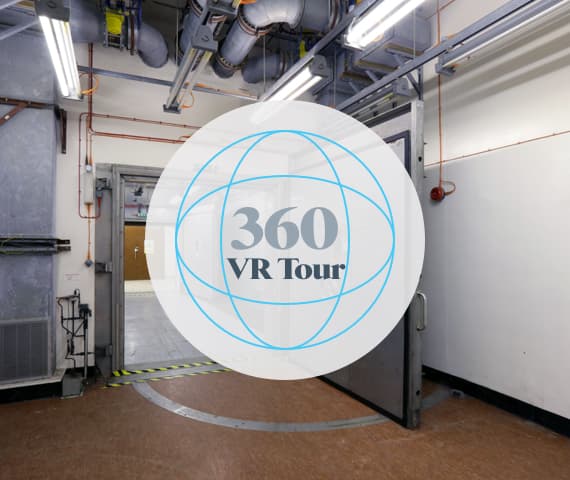
Take a tour of Alconbury Weald's Cold War bunker
Explore Alconbury Weald's Cold War Bunker with our 360 virtual tour
This virtual tour gives an insight into how the bunker was designed and how it was used to process intelligence data collected by the TR1 reconnaissance aircraft, making it one of the UK’s most sophisticated buildings of its kind.
Legacy of the airbase
For over seventy years, RAF Alconbury, like so many sites across East Anglia, played a central part in military operations across Europe.
It was an operational airbase from 1938 to 1995, during which time it came under the control of both the British and American Air Forces. The legacy of that time – hangars, control centres, bunkers and huts – reflect a complex and fascinating history, intertwined with the communities that surround the airfield. Learn more in our interactive Heritage timeline below.

